


Wiadomości branżowe

Co to jest syfonowy system odwadniający? Jak to działa
 2026.08.17
 Wiadomości branżowe
Gdy nad magazynem z płaskim dachem przechodzi potężna burza, w krótkim czasie z dachu muszą wypłynąć tysiące galonów wody. To, jak szybko woda opuści dach, zależy od znajdującego się za nią systemu odwadniającego. Jednym ze sposobów, obecnie powszechnym w dużych budynkach komercyjnych i przemysłowych, jest syfonowy system odwadniający. W przeciwieństwie do konwencjonalnego systemu grawitacyjnego, przemieszczanie wody nie opiera się na nachyleniu rury. Zamiast tego wykorzystuje podciśnienie i całkowicie wypełnione rury do odprowadzania wody deszczowej z dachu. W tym przewodniku wyjaśniono, czym jest syfonowy system odwadniający, jak działa, jego podstawowe elementy i kompromisy, które należy rozważyć przed jego określeniem.
Co to jest syfonowy system odwadniający?
System odwadniania syfonowego to metoda odwodnienia dachu, która usuwa wodę deszczową poprzez jej wytwarzanie podciśnienie w zamkniętej sieci rurociągów. Gdy rury zostaną całkowicie wypełnione wodą, ciężar opadającej kolumny wody w pionowej rurze spustowej wytwarza podciśnienie, które zasysa wodę przez wpusty dachowe i wzdłuż poziomej instalacji rurowej. Jest to ta sama zasada syfonu, którą można zobaczyć, gdy wąż opróżnia pojemnik, stosowana na skalę budowlaną.
Technikę tę opracowano po raz pierwszy w Europie pod koniec lat 60. XX wieku i od tego czasu stała się standardową metodą odwadniania dużych, płaskich lub o niskim nachyleniu dachów w tym regionie. W warunkach pełnego obciążenia rury są całkowicie wypełnione, a prędkość przepływu jest co najmniej dwukrotnie większa niż w konwencjonalnym systemie grawitacyjnym. Dla projektantów z Ameryki Północnej i innych rynków, gdzie drenaż podciśnieniowy jest mniej znany, system stanowi praktyczną alternatywę dla tradycyjnego podejścia z rurami pochyłymi.
Jak działa podciśnieniowy system odwodnienia dachu?
Podciśnieniowy system odwadniający zapewnia swoją wydajność poprzez dokładnie kontrolowaną sekwencję zdarzeń, która rozpoczyna się na wlocie dachowym i kończy w punkcie odprowadzania.
Wyjaśnienie efektu syfonu
Fizyka systemu jest prosta. Woda deszczowa wpływa przez specjalnie zaprojektowany wpust dachowy. Wewnątrz wylotu przegroda przeciwwirowa zapobiega zasysaniu powietrza do rury i tłumi prądy wirowe, które w przeciwnym razie mieszałyby powietrze ze strumieniem. Gdy woda całkowicie wypełni poziome rury, pionowa kolumna rury spustowej zacznie opadać pod wpływem grawitacji. Opadająca kolumna tworzy strefę podciśnienia, a różnica ciśnień wciąga więcej wody z dachu do sieci. Efekt jest podobny do popijania napoju przez słomkę: po rozpoczęciu przepływu różnice ciśnień utrzymują przepływ wody nawet na równych odcinkach rur.
Prawidłowo zaprojektowany system może zalać i osiągnąć pełny przepływ podciśnieniowy w ciągu około 15 sekund od rozpoczęcia opadów. Krytycznym progiem jest zawartość powietrza. Jeśli porwane powietrze przekracza około 40% objętości rury, ciągły syfon pęka i system powraca do przepływu grawitacyjnego. Dlatego głównym wyzwaniem projektowym jest zatrzymanie powietrza na zewnątrz, a przegroda przeciwwirowa jest głównym narzędziem jego rozwiązania.
Kluczowe elementy syfonowego systemu drenażowego
Kompletny system drenażu podciśnieniowego składa się z następujących elementów:
- Podciśnieniowe wloty dachowe, każdy wyposażony w przegrodę przeciwwirową
- Poziome rury podwieszane biegnące poziomo pod połacią dachową
- Pionowe rury spustowe tworzące opadający słup wody
- Sekcje przejściowe, które przywracają zrównoważony przepływ u podstawy
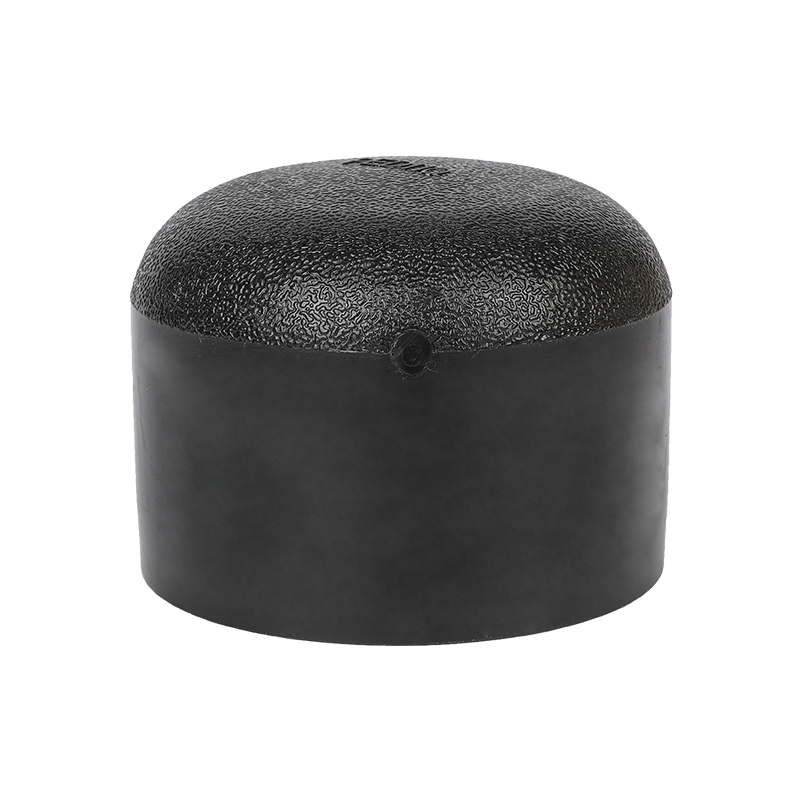
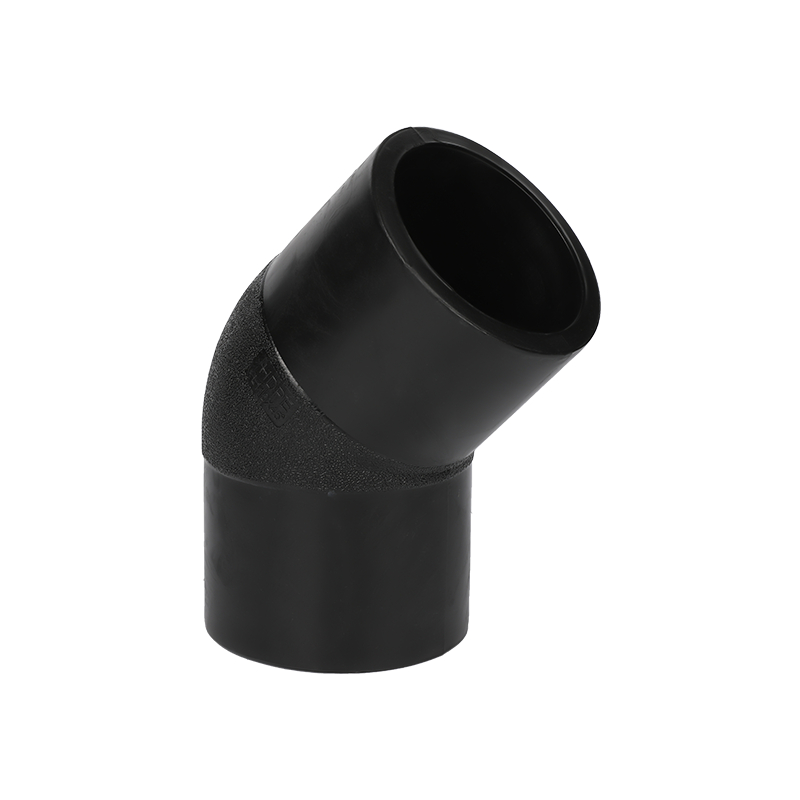
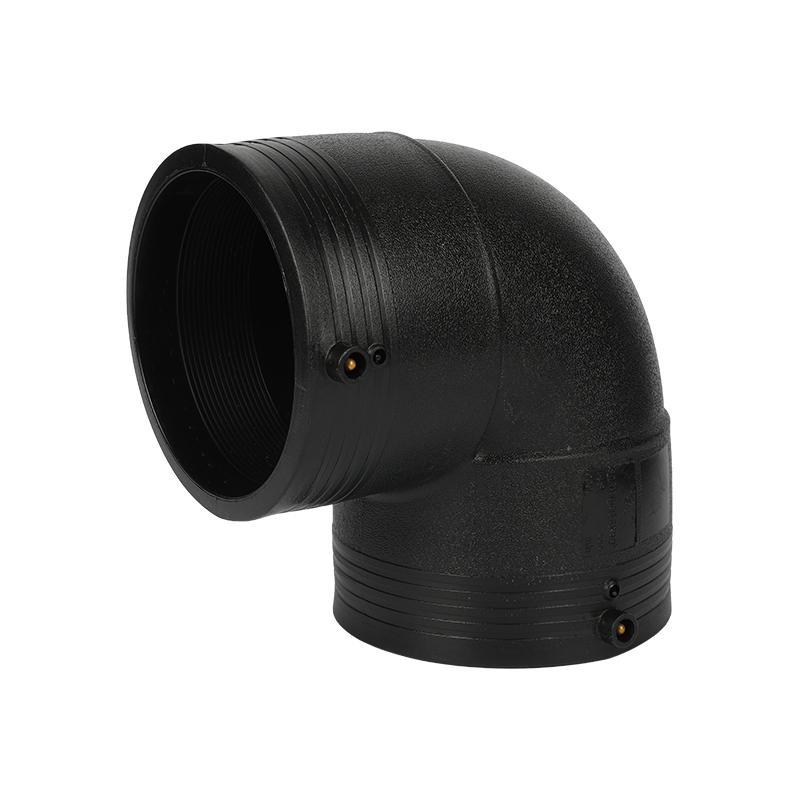
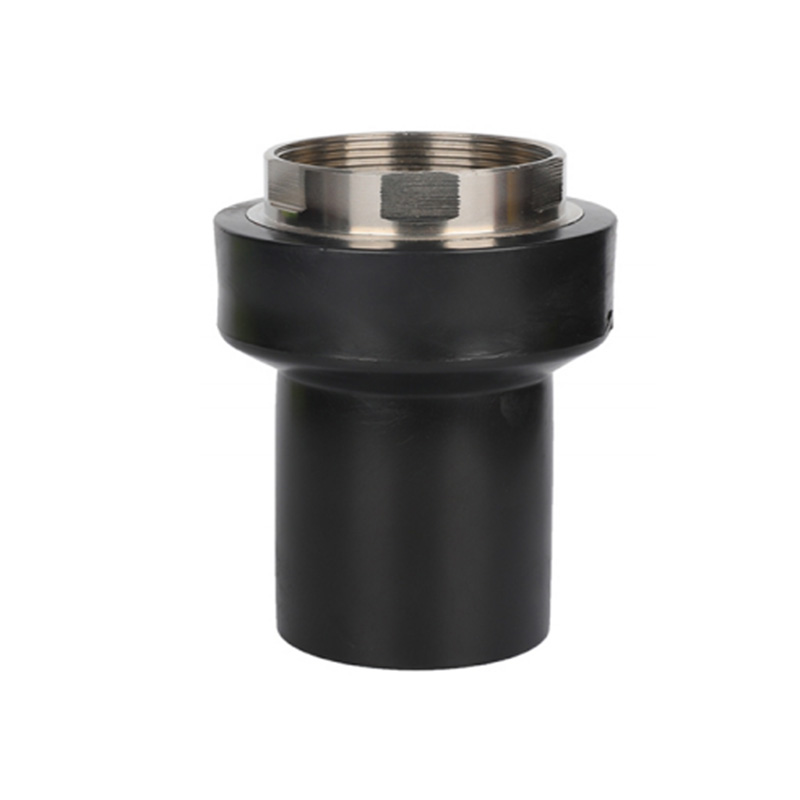
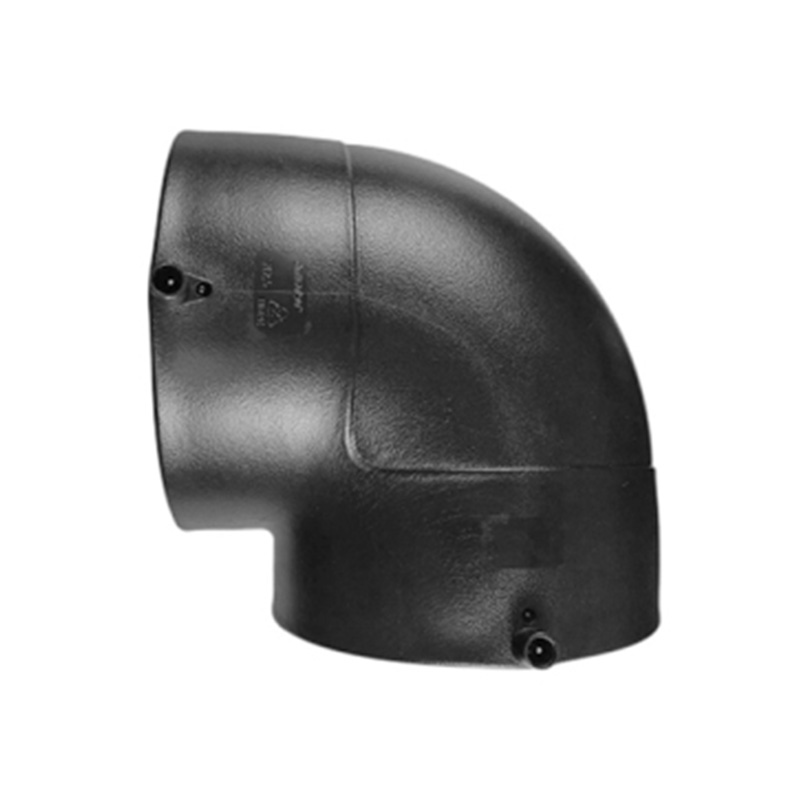
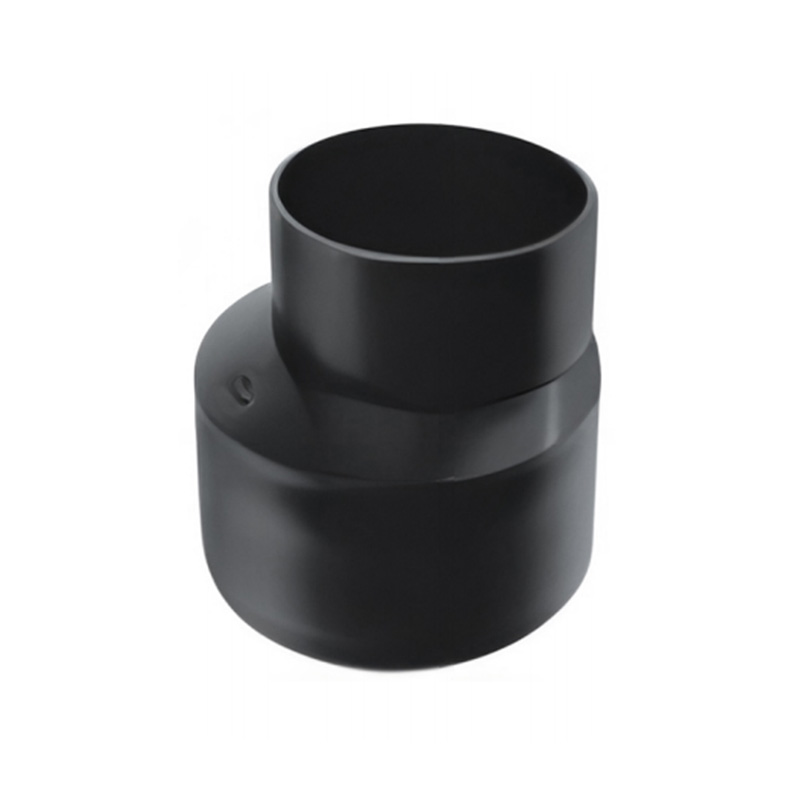
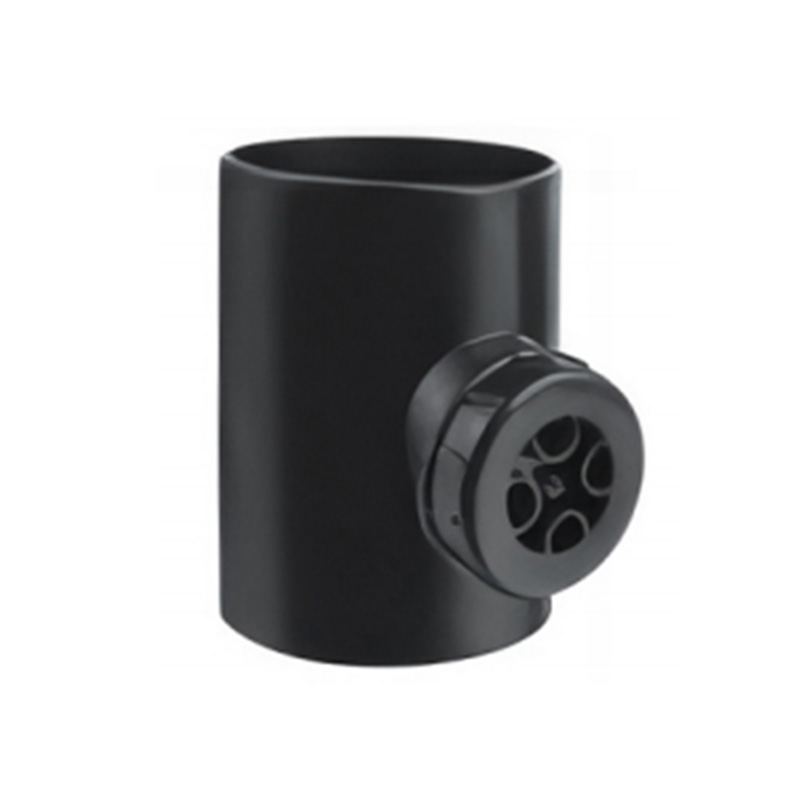
- Łączniki rurowe, w tym kolana, redukcje, trójniki i połączenia odgałęzione
- Zespoły podporowe i zawieszenia, które bezpiecznie zakotwiczają rurociąg
Największą uwagę poświęca się wpustowi dachowemu, ale okucia ponoszą nieproporcjonalną część odpowiedzialności. Podciśnienie w sieci rurociągów jest tak stabilne, jak uszczelnienia pomiędzy odcinkami rur. Łuk niskiej jakości lub nieprawidłowo stopione złącze może spowodować przedostanie się powietrza, a gdy powietrze dostanie się do środka, działanie syfonowe szybko się pogarsza. Z tego powodu HDPE jest najczęściej stosowanym materiałem. Jest odporny na korozję, lekki i można go łączyć metodami elektrooporowymi lub doczołowymi, dzięki czemu połączenie jest tak mocne, jak sama rura. Dla inżynierów oceniających system jakość złączek i proces łączenia są równie ważne jak obliczenia projektowe.
Systemy drenażu podciśnieniowego i grawitacyjnego
Najszybszym sposobem zrozumienia systemu podciśnieniowego jest bezpośrednie porównanie go z konwencjonalnym podejściem grawitacyjnym stosowanym w większości budynków.
| Punkt porównawczy | System drenażu grawitacyjnego | Podciśnieniowy system drenażowy |
|---|---|---|
| Stan przepływu rury | Rura w połowie wypełniona; powietrze zajmuje górną część | Rura całkowicie wypełniona (przepływ przy pełnym przekroju) |
| Wymagane nachylenie rury | Minimum 1/8 cala na stopę w biegach poziomych | Zerowe nachylenie na biegach poziomych |
| Typowa średnica rury | Większy, aby skompensować częściowy przepływ | Mniejszy dla tej samej powierzchni dachu |
| Prędkość przepływu | Ograniczone przez nachylenie i przepływ w otwartym kanale | Co najmniej dwukrotnie większy niż przepływ grawitacyjny |
| Liczba rur spustowych | Wymaganych więcej rur spustowych | Do 80% mniej rur spustowych |
| Elastyczność rozmieszczenia | Pozycje rur spustowych ograniczone nachyleniem dachu | Rury spustowe można rozmieścić odpowiednio do konstrukcji |
Różnice te wpływają na obraz kosztów. Mniejsze średnice i krótsza całkowita długość rur zmniejszają ilość materiału i czas montażu. Mniej otworów dachowych i mniej rur spustowych to także mniejsze ryzyko nieszczelności membrany dachowej i więcej przestrzeni użytkowej wewnątrz budynku. Kompromis polega na tym, że system podciśnieniowy wymaga od początku większego wysiłku inżynieryjnego, ponieważ sieć rurociągów należy obliczyć, a nie po prostu nachylić.
Kluczowe korzyści z wyboru podciśnieniowego systemu odwadniającego
Praktyczne korzyści systemu podciśnieniowego stają się wymierne w przypadku dużych projektów, takich jak magazyny, centra logistyczne, kompleksy handlowe, fabryki, terminale lotnicze. Główne zalety to:
- Wyższa wydajność drenażu: Pełny przepływ i większa prędkość zapewniają systemowi znacznie większą wydajność na jednostkę średnicy rury, co ma znaczenie podczas intensywnych opadów deszczu.
- Mniej przejść przez dach: Mniejsza liczba wylotów i rur spustowych zmniejsza liczbę otworów w membranie dachowej, a tym samym zmniejsza ryzyko wycieku.
- Oszczędność miejsca: Rury poziome można podwieszać blisko spodu płyty bez nachylenia, uwalniając pionową przestrzeń na instalacje i stropy.
- Elastyczność projektowania: Rury spustowe można umieścić z dala od krawędzi dachu i ograniczeń elewacji, co upraszcza koordynację konstrukcyjną.
- Przepływ samoczyszczący: Większe prędkości usuwają osad i zanieczyszczenia przez rury, zmniejszając częstotliwość zatorów i konserwacji.
- Integracja gromadzenia wody deszczowej: Ponieważ przepływ koncentruje się w mniejszej liczbie punktów poboru, system podciśnieniowy dobrze komponuje się ze strategiami ponownego wykorzystania i magazynowania wody deszczowej.
Te zalety wyjaśniają, dlaczego odwodnienie podciśnieniowe traktowane jest w Europie jako domyślny standard w przypadku dużych dachów płaskich. Technologia ta przestała być opcją specjalistyczną i stała się przyjętą praktyką branżową na tym rynku i stale zyskuje na popularności gdzie indziej.
Zagadnienia projektowe i ograniczenia
System podciśnieniowy nie jest uniwersalną modernizacją. Działa przewidywalnie tylko wtedy, gdy dostępne są dane projektowe, jakość komponentów i dokładność montażu. Poniższe ograniczenia zasługują na uwagę przed podjęciem decyzji.
Każdą ocenę należy rozpocząć od realistycznych danych dotyczących opadów dla lokalizacji budynku. System zaprojektowano z myślą o lokalnej intensywności opadów, a współczynnik bezpieczeństwa musi być starannie wyważony. Jeśli współczynnik bezpieczeństwa jest nadmierny, rury stają się zbyt duże, aby pomieścić rzeczywiste opady, nigdy nie napełniają się całkowicie, a system nigdy nie osiąga trybu podciśnieniowego. Zachowuje się wówczas jak zwykły system grawitacyjny, nie przynosząc żadnych oczekiwanych korzyści. To jest najczęstszy błąd projektowy .
Jakość instalacji jest drugim krytycznym czynnikiem. Rury poziome muszą być wypoziomowane lub odpowiadać dokładnie obliczonemu profilowi. Słabo zespolone złącza, zwisające rury lub nieprawidłowo ustawione podpory mogą spowodować przedostanie się powietrza i uszkodzenie syfonu. Biorąc pod uwagę próg powietrza wynoszący 40%, nawet niewielki przedostanie się powietrza może wyłączyć system.
Warto też powiedzieć czego system nie robi. Podczas lekkiego deszczu system podciśnieniowy działa w trybie grawitacyjnym, co jest bezpieczne, ale nie zapewnia żadnych korzyści. Korzyści w zakresie wydajności pojawiają się dopiero wtedy, gdy intensywność opadów zbliża się do punktu projektowego. W przypadku bardzo małych dachów lub regionów, w których opady deszczu są rzadkie, dodatkowe koszty inżynierii i komponentów rzadko są uzasadnione.
Na koniec potwierdź, że komponenty systemu spełniają standardy obowiązujące na Twoim rynku. Praktyka europejska jest zgodna z normą EN 12056 i powiązanymi normami, podczas gdy projekty w Chinach są projektowane zgodnie ze standardami GB. Dostawca powinien być w stanie wykazać zgodność z odpowiednimi ramami.
Jak wybrać niezawodnego dostawcę systemów drenażu podciśnieniowego
Po podjęciu decyzji o zastosowaniu systemu podciśnieniowego wybór dostawcy staje się decyzją zarówno techniczną, jak i komercyjną. Użyj następujących kryteriów jako praktycznej listy kontrolnej:
- Kompletna linia produktów: Poszukaj dostawcy oferującego podciśnieniowe wloty dachowe, rury HDPE, kształtki elektrooporowe i złączki zgrzewane doczołowo z jednego źródła, aby zagwarantować kompatybilność komponentów.
- Certyfikaty i standardy: Potwierdź zarządzanie jakością ISO9001 i certyfikat zarządzania środowiskowego ISO14001, a także testowanie produktów zgodnie ze standardami wymaganymi na Twoim rynku.
- Jakość materiału: Sprawdź, czy rury i kształtki są wykonane z odpowiednich związków HDPE do warunków przepływu pod ciśnieniem, z udokumentowanymi wynikami testów partii.
- Niezawodność łączenia: Zapytaj o procedury spawania, szkolenie operatorów i kontrolę jakości złączy elektrooporowych i doczołowych, ponieważ te połączenia decydują o tym, czy system może utrzymać podciśnienie.
- Żywotność produktu i gwarancja: Wielu producentów podaje, że żywotność systemów HDPE przekracza 50 lat. Traktuj tę liczbę jako stwierdzenie wymagające sprawdzenia na podstawie danych potwierdzających, a nie założenie. Potwierdź także zakres ubezpieczenia od odpowiedzialności cywilnej za produkt.
- Wsparcie techniczne: Niezawodny dostawca zapewnia pomoc w projektowaniu, nadzór nad instalacją i wskazówki dotyczące uruchomienia, a nie tylko komponenty.
Przykład profilu, którego należy szukać, można znaleźć w firmie Zhejiang Fengfeng Industry Co., Ltd., założonej w 2002 roku w mieście Zhuji Diankou w prowincji Zhejiang. Asortyment firmy obejmuje złączki do podciśnieniowych rur drenażowych oraz serie rur HDPE i PE-RT II. Firma posiada certyfikaty ISO9001 i ISO14001, a jej produkty są ubezpieczone przez Chińskie Towarzystwo Ubezpieczeń Ludowych. Są to rodzaje weryfikowalnych referencji, które należy potwierdzić u każdego potencjalnego dostawcy, w tym Fengfeng, poprzez raporty z testów i referencje przed złożeniem zamówienia na projekt.
Wniosek
Podciśnieniowy system odwadniający to sprawdzony, skuteczny sposób odprowadzania wody z dużych płaskich dachów, przy użyciu mniejszych rur, mniejszej liczby rur spustowych, szybszego przepływu i większej swobody projektowania niż w przypadku drenażu grawitacyjnego. Ale świadczenia te mają charakter warunkowy . System działa tylko wtedy, gdy został zaprojektowany na podstawie dokładnych danych dotyczących opadów, zbudowany z kwalifikowanych komponentów i zainstalowany z zachowaniem dokładnych tolerancji. W przypadku projektów z dużymi powierzchniami dachowymi, gdzie liczy się przestrzeń i elastyczność konstrukcyjna, często jest to lepszy wybór. W przypadku dachów małych lub lekko obciążonych prostszy drenaż grawitacyjny może być bardziej praktyczną metodą. Najpierw oceń powierzchnię dachu, lokalną intensywność opadów, ograniczenia budynku i budżet. Jeśli warunki odpowiadają, współpracuj z dostawcą, który może wykazać certyfikowane produkty, solidną jakość produkcji i prawdziwe wsparcie inżynieryjne.
KONTAKTOWAĆ SIĘ

O nas
Zhejiang Fengfeng Pipe Industry Co., Ltd. wykorzystuje wydajny wtrysk jednoślimakowy maszyny formierskie do wysokich produktywność i niskie zużycie energii.
Linki do produktów
Kontakt
-

+86-19858193396
+86-13735359894 -

+86-0574-63555288
-

-

Nr 21, Market Road, miasto Diankou, miasto Zhuji, miasto Shaoxing, prowincja Zhejiang, Chiny

Prawa autorskie © Zhejiang Fengfeng Pipe Industry Co., Ltd.
